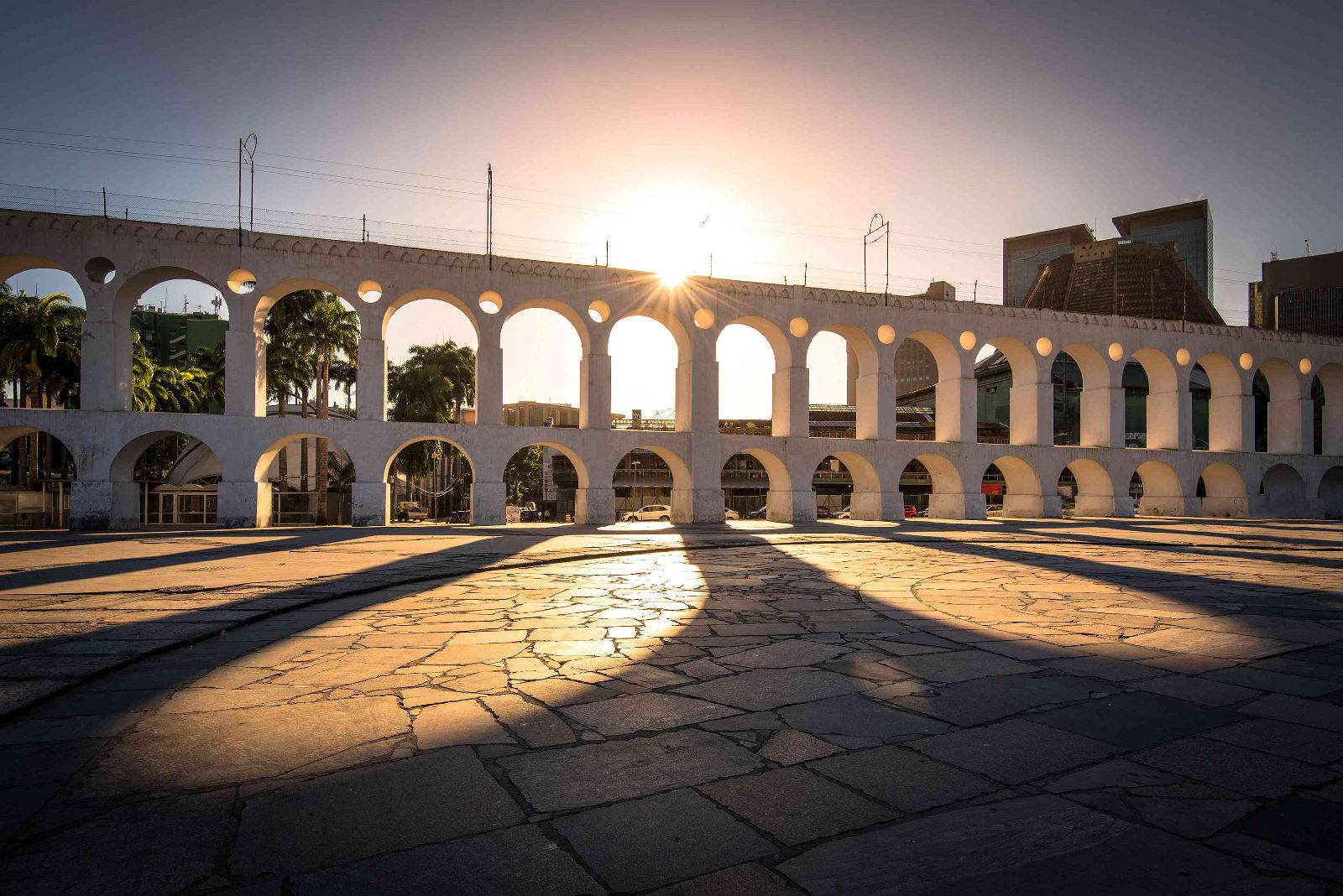
Lapa Arches
10 min walk
These historic 18th-century aqueducts define the district skyline and sit just a short walk from the steps. They provide a clear connection between the colonial architecture of Lapa and the artistic character of Santa Teresa.

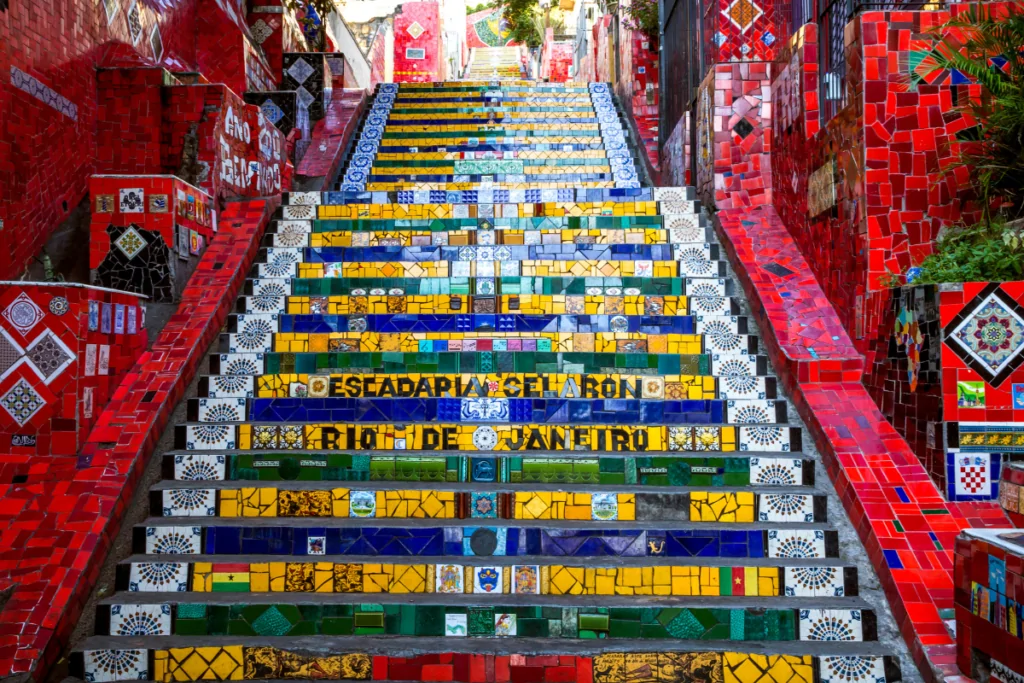
The Selarón Steps are a 215-step outdoor art installation connecting the Lapa and Santa Teresa neighborhoods in Rio de Janeiro. Chilean artist Jorge Selarón covered the staircase with more than 2,000 tiles from over sixty countries, and the work remains one of the city's most visited landmarks. This guide covers access, timing, and what you'll find on-site.
Quick answer
The Selarón Steps are open twenty-four hours a day, seven days a week, with no entrance fee or ticket required. The staircase sits at R. Early morning visits between 6 and 9 AM offer the clearest light and fewest crowds for photography.
Jorge Selarón began tiling the staircase in front of his home in 1990 as a tribute to the Brazilian people, using fragments of mirror, ceramics, and donated tiles from visitors worldwide. He worked on the steps until his death in 2013, constantly rearranging and adding pieces so that no two visits revealed the same composition. The result is a cascading mosaic that climbs from Rua Joaquim Silva in Lapa to Rua Pinto Martins in Santa Teresa, each riser covered in red, green, and yellow tiles that mirror the colors of the Brazilian flag. The steps function as both a public artwork and a pedestrian thoroughfare, so expect foot traffic at all hours. Locals use the staircase as a shortcut between neighborhoods, while tourists pause on the landings to photograph individual tile panels. The installation includes ceramic portraits, place names from donor cities, and evolving sections that Selarón updated by hand. No guardrails or interpretive plaques interrupt the tiles, which extend continuously from the bottom step to the top. Because the Selarón Steps occupy public right-of-way and carry no formal museum status, they remain accessible around the clock. Free entry means no ticket queue or time slot, but it also means no controlled visitor flow. Midday and late afternoon bring the heaviest crowds, particularly when cruise ships dock or tour groups schedule Lapa walking circuits. Arriving at dawn yields the most flexible shooting angles and lets you move freely across the width of the steps without waiting for others to clear the frame. Santa Teresa activities often pair the Selarón Steps with nearby colonial architecture and streetcar rides, but the staircase itself requires no advance booking or guided commentary. The tile work is self-explanatory, and the open-access format means you can climb at your own pace, linger at any landing, or return multiple times without cost.
“Selarón worked on the steps until his death in 2013, constantly rearranging pieces so that no two visits revealed the same composition.”
The best time to visit the Selarón Steps is between 06:00 and 09:00. Arriving during this early morning window allows visitors to avoid peak daylight crowds and secure better photography conditions.
—
Hot and humid, 25°C to 35°C
Expect intense heat and larger crowds during the peak tourism season.
Mild and pleasant, 18°C to 25°C
Cooler temperatures make climbing the steps more comfortable for visitors.
Verdict: For the quietest experience, aim for weekday mornings between 06:00 and 09:00 during the milder months of June through September.
The Selarón Steps serve as a gateway to the Santa Teresa neighborhood, allowing for easy integration with historic landmarks and cultural hubs. Combining the steps with these nearby locations creates a logical walking itinerary through the area.
10 min walk
These historic 18th-century aqueducts define the district skyline and sit just a short walk from the steps. They provide a clear connection between the colonial architecture of Lapa and the artistic character of Santa Teresa.
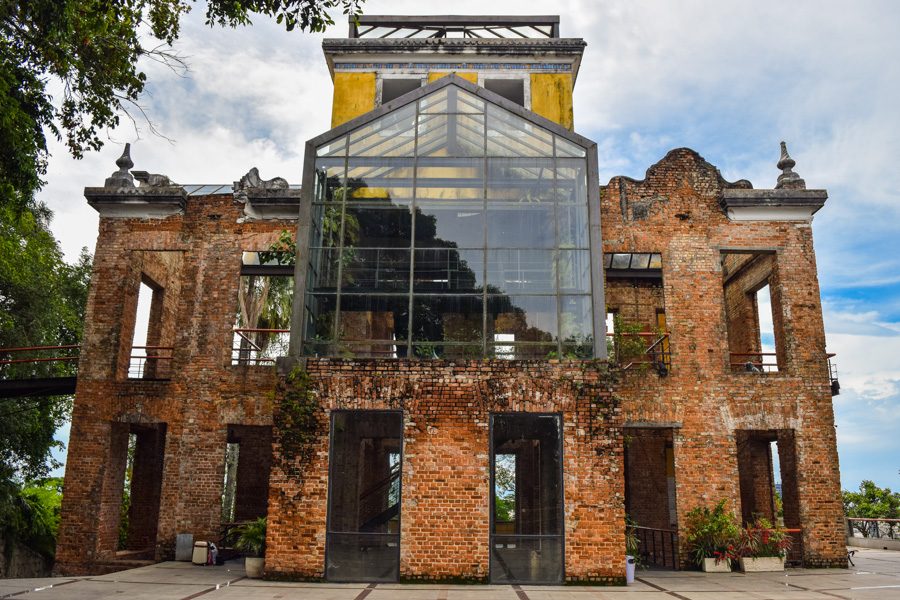
15 min walk
This cultural center features a gallery and viewing platform built into the ruins of an old mansion. It offers a vantage point over the city that complements the ground-level experience at the steps.

12 min walk
The Carioca Aqueduct tram stop allows for a direct connection to the transit network of the neighborhood. Using this station helps visitors continue their exploration into the higher elevations of Santa Teresa.

1 min walk
The immediate surroundings of the steps include multiple craft shops and galleries that feature local artists. These venues provide context for the tile-based artwork found on the staircase itself.
Prepare for the 215-step climb and colorful tile mosaics with these essentials.
Everything you need to know about santa teresa activities
Many travelers consider exploring these colorful steps one of the top santa teresa activities due to their cultural significance. It serves as a vibrant outdoor gallery that highlights the artistic spirit of the area.
The best arrival window is between 06:00 and 09:00 to avoid peak daylight crowds. Visiting during these hours ensures better photography conditions and a more relaxed pace for your santa teresa activities.
While you can explore the site independently, local guides often include the steps in their Santa Teresa walking tours. These professionals provide context on the history of the tiles and the artist Jorge Selarón.
Yes, the famous tram provides a scenic connection to the broader neighborhood. You can combine a ride on the iconic yellow tram with a walk to the steps to enhance your santa teresa activities.
The Santa Teresa Tram Ride Experience
Read more GuideHow to Get to Santa Teresa
Read more GuideSanta Teresa Tram Visitor Guide
Read more GuideWhere to Get Off the Santa Teresa Tram
Read more GuideSanta Teresa Tram Terminal Location
Read more GuideSanta Teresa Tram Times & Schedule
Read more GuideSanta Teresa Tram Ticket Prices & Info
Read more Tickets & toursGuided Santa Teresa Tram Tours
Read more