


9 hr
Rio Icons: Corcovado, Sugarloaf, Selarón Steps & Churrascaria
Full-day journey through Rio's most celebrated landmarks with hotel transfers and optional barbecue feast
Reserve
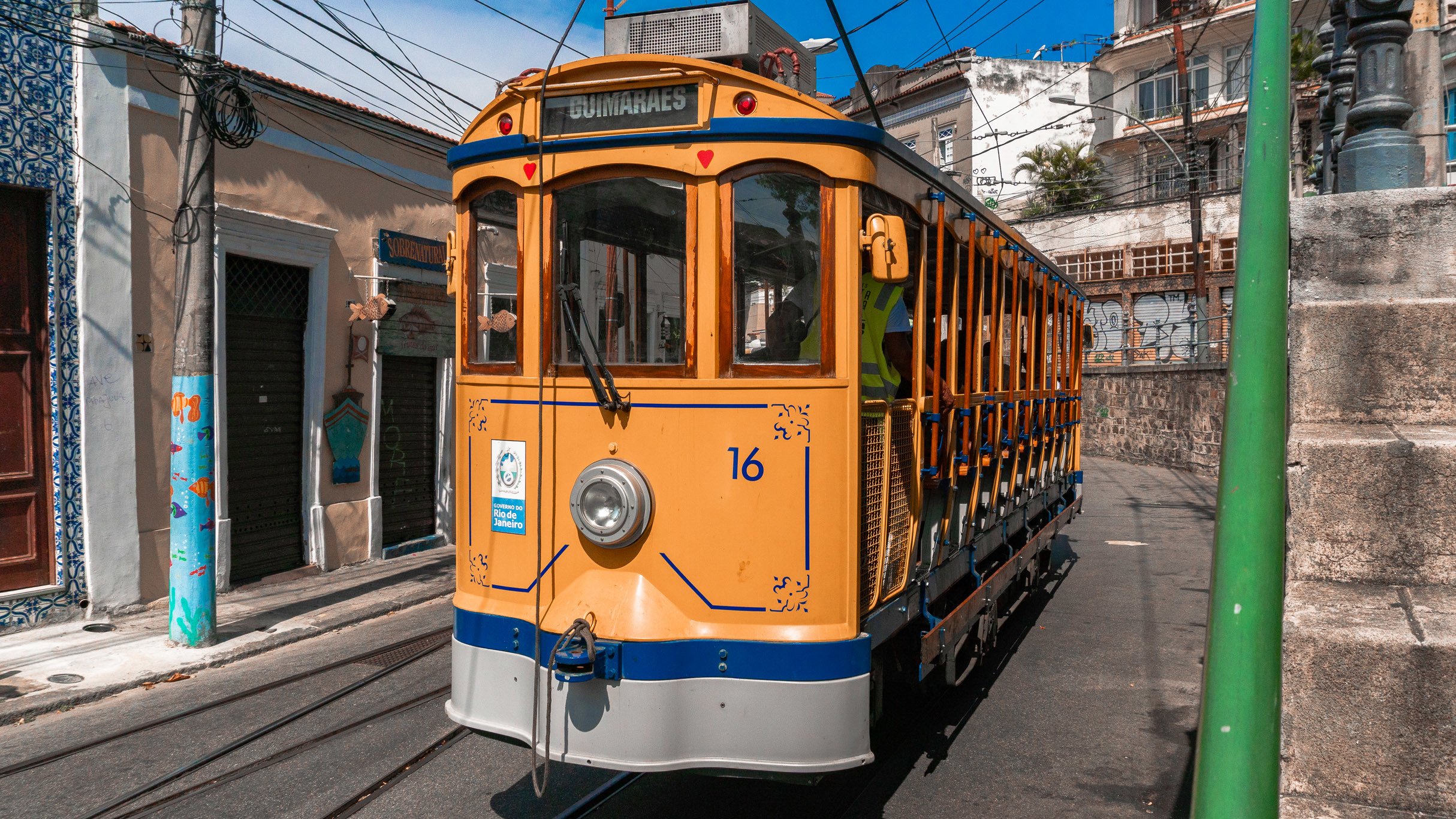

Climb aboard the century-old bonde, wind through cobbled streets to art-covered steps
Hand-picked by our editors — only the best 5 experiences from 18 reviewed
Verified partners for every tour, free cancellation where available, and instant confirmation on every booking.
9 hr
Full-day journey through Rio's most celebrated landmarks with hotel transfers and optional barbecue feast
Reserve
4 hr
Ride Rio's iconic tram through bohemian Santa Teresa, descend the famous mosaic stairway, and explore historic downtown landmarks.
Reserve
5 hr
Explore the world's largest urban rainforest — cascading falls, ancient caves, and wildlife just minutes from Rio
ReservePrices from verified partners. Availability updates in real time at checkout. Free cancellation policies apply where shown.
The landmarks, rooms, and views travelers on this tour remember — all visible on a single visit.
The centerpiece of the landmark featuring 215 steps covered in global tiles. Surprising fact: It took over 20 years to complete this masterpiece.
They complement each other, yet most visitors who do both find the self-guided exploration of the Escadaria Selarón more flexible, while the Santa Teresa tram tour offers deeper historical immersion. Securing your santa teresa tram tour tickets ensures a seamless journey through these iconic Rio landmarks.
| Feature | Top pick Selarón Steps | Santa Teresa Tram Tour |
|---|---|---|
Flexibility |
Fully self-guided | Fixed schedule |
Historical Context |
Self-directed exploration | Guided narration provided |
Transit Logistics |
Foot access only | Fixed rail departures |
Photography Opportunity |
High morning access | Limited by transit stops |
Total Time Investment |
30–60 minutes | 2–4 hours |
Local Landmarked Status |
UNESCO inspired heritage | Historic neighborhood transit |
| See tickets → |
Verdict: Choose the independent route for creative freedom, or opt for santa teresa tram tour tours if you prefer a curated narrative experience through the neighborhood's bohemian heart.
Choose your ticket, select your date, and reserve in under two minutes. Secure checkout handled by our verified partner.
Instant confirmation by email, with a mobile voucher you can save offline. No printing, no queuing at a collection desk.
Arrive at the entrance, show your voucher on your phone, and walk in. Most tickets include priority or skip-the-line access.
Best time to go, insider tips, nearby landmarks, and the cancellation fine print — flip through to skim what matters to you.
Flexible, no hidden fees.
The santa teresa tram tour tours are managed by local operators. Please check the specific booking terms, as many offer free cancellation up to 24 hours before the experience.
The bonde—Rio's yellow streetcar—has rattled up the Lapa arches and into Santa Teresa since 1877, when steam engines first hauled passengers over the Carioca Aqueduct. The line survived floods, fires, and a 2011 derailment that silenced the tracks for four years. When service resumed in 2015, the restored fleet carried fewer than twenty passengers per car, threading a two-kilometre loop from the city center to the crest of the hillside neighborhood that artists, writers, and exiles have called home for more than a century. Santa Teresa earned its bohemian reputation in the 1960s, when low rents and colonial architecture drew painters and musicians to the sloping streets. Today the district holds Brazil's largest concentration of ateliers per square kilometer, alongside mansions converted into boutique hotels and tile-fronted bars that spill onto uneven pavements. The tram passes the Parque das Ruínas—a skeletal estate offering 180-degree views over Guanabara Bay—and the Chácara do Céu museum, which houses modernist canvases by Di Cavalcanti and Portinari inside a 1950s residence designed by Wladimir Alves de Souza. At the base of Santa Teresa, the Escadaria Selarón descends in 215 hand-tiled steps from the bohemian quarter to the Lapa nightlife district. Chilean-born artist Jorge Selarón began covering the staircase in 1990, scavenging broken ceramics and requesting tile donations from visitors. By the time of his death in 2013, more than two thousand tiles from sixty countries formed a mosaic that spans yellow, green, and blue—the colors of the Brazilian flag—interspersed with mirrors, pottery fragments, and Selarón's own recurring motif of a pregnant African woman. The steps remain a living work; neighborhood residents continue to repair and add tiles in the artist's memory. A Santa Teresa tram tour typically pairs the bonde ride with a walking descent through the neighborhood's colonial core, crossing the aqueduct on foot and concluding at the Selarón Steps. The yellow trams depart every forty minutes during daylight hours, though schedules contract during maintenance windows and the cars do not run in heavy rain. Most guided tours begin in the morning to avoid midday crowds on the steps, which can exceed three hundred visitors during cruise-ship arrivals. The 06:00–09:00 window offers cooler temperatures and side-lit conditions for photographing the tilework, though the tram itself operates on a first-come basis and does not accept advance reservations for individual passengers.
"By the time of his death in 2013, more than two thousand tiles from sixty countries formed a mosaic that spans yellow, green, and blue."
There are 215 steps to climb at the Selarón Steps.
The address is Rua Manuel Carneiro, Santa Teresa, Rio de Janeiro - RJ, 20241-120, Brazil.
Yes, photography is highly encouraged throughout the santa teresa tram tour.
You can easily combine your visit with local landmarks like the Arcos da Lapa and the various galleries in Santa Teresa.